
Limited Risk of Atmospheric Pollution from Attacks on Iranian Nuclear Facilities, Expert Says
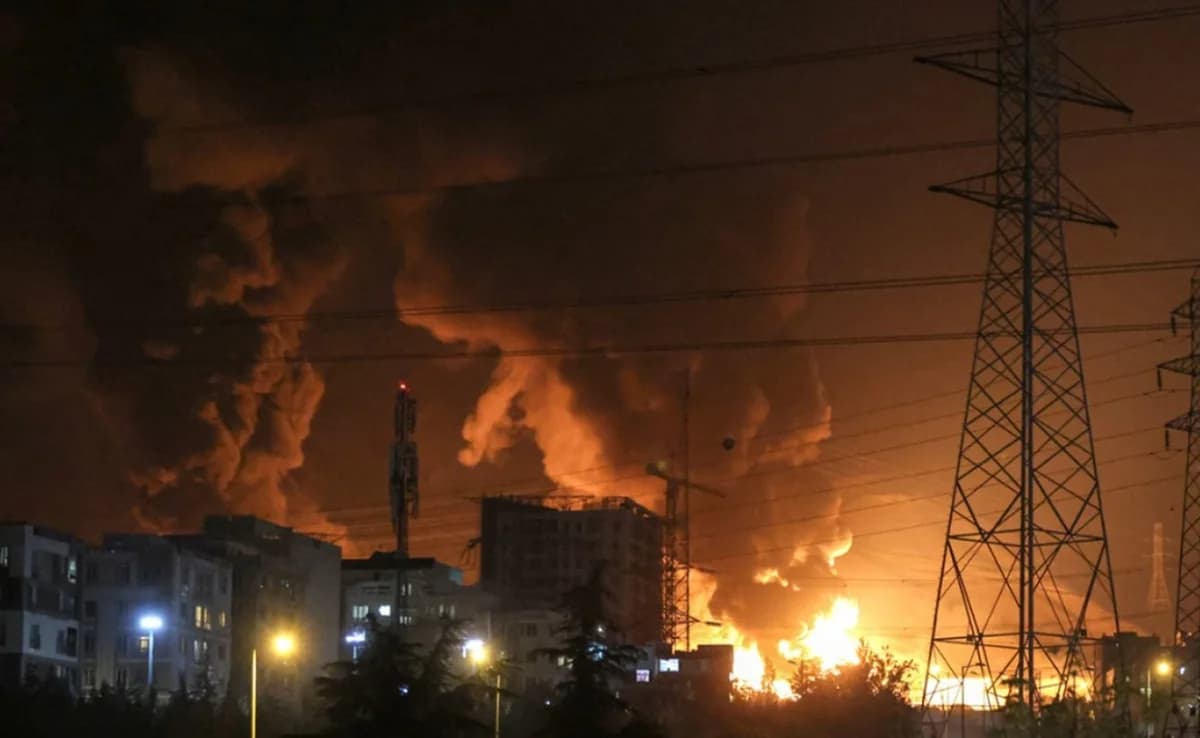
Attacks on Iranian nuclear facilities by Israel and the US pose limited risks of atmospheric pollution, according to Dr. Theodoros Christoudias, Associate Professor at the Climate and Atmosphere Research Center of the Cyprus Institute.
Dr. Christoudias told CNA that attacks on facilities in the early stages of the nuclear fuel cycle primarily involve chemical risks. In enrichment facilities, uranium hexafluoride (UF6) is the main concern, as its interaction with water vapor produces harmful chemicals.
He also referred to statements by the Director General of the International Atomic Energy Agency (IAEA) that there has been no increase in radiation levels outside the facilities, even after recent attacks on three Iranian nuclear facilities, including the uranium enrichment plant in Fordow.
Regarding the sole commercial nuclear power plant in Bushehr, Dr. Christoudias stressed that a strike on the nuclear reactor could release radioactive elements, endangering the Gulf states due to potential water contamination.
Dr. Christoudias mentioned that the IAEA is monitoring the situation and is ready to respond to any nuclear or radiological emergency. Regarding the facilities in Natanz, Isfahan, and Fordow, the IAEA reported damage, but the facility in Natanz was underground and no radiation release was reported.
According to IAEA information prior to the June 13 attacks, the three sites contained uranium enriched to different levels, which can cause radioactive and chemical contamination. The degree of dispersion depends on meteorological conditions.