
Iran's Nuclear Program as an Element of National Identity
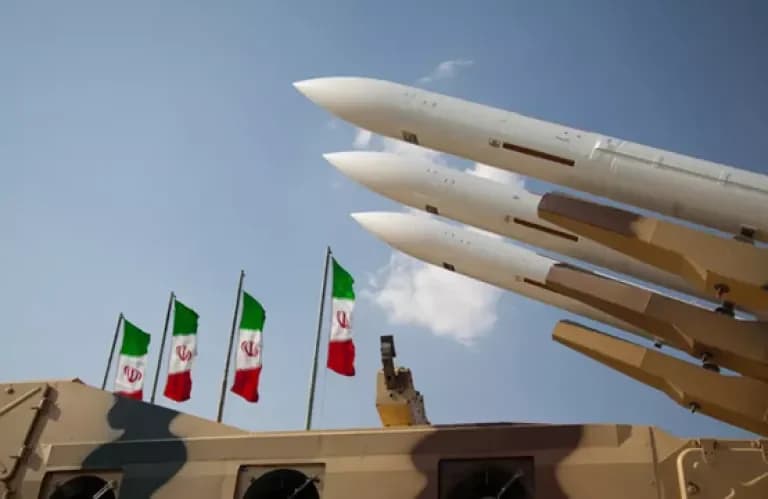
According to an analysis by CNN Greece, Iran's nuclear program is linked to the country's pursuit of independence and sovereignty, despite concerns about the potential construction of nuclear weapons.
The history of Iran's exploitation by colonial powers, according to the report, explains Iran's insistence on maintaining the right to enrich uranium. This issue has been a point of contention in talks between Iran and the West, culminating in the JCPOA agreement in 2015, from which the US withdrew in 2018.
US Vice President J.D. Vance questioned Iran's need to enrich uranium to high levels, implying a possible violation of non-proliferation obligations. Iran argues that uranium enrichment is a response to the US withdrawal from the JCPOA and the imposition of sanctions.
It is also mentioned that Iran considers the US unreliable and that the West supports Israel, a country that is not a member of the Treaty on the Non-Proliferation of Nuclear Weapons and possesses an undeclared nuclear arsenal. Vali Nasr in his book 'The Great Strategy of Iran' links the pursuit of independence to the history of Iran's colonial exploitation.
The nuclear program, initially launched with US support as part of the 'atoms for peace' program, became a symbol of patriotic pride after the Islamic Revolution. Despite negotiations and agreements, the issue remains controversial, with Iran insisting on its right to enrich uranium for peaceful purposes.