
Water: The Major Stake in the Middle East Conflict
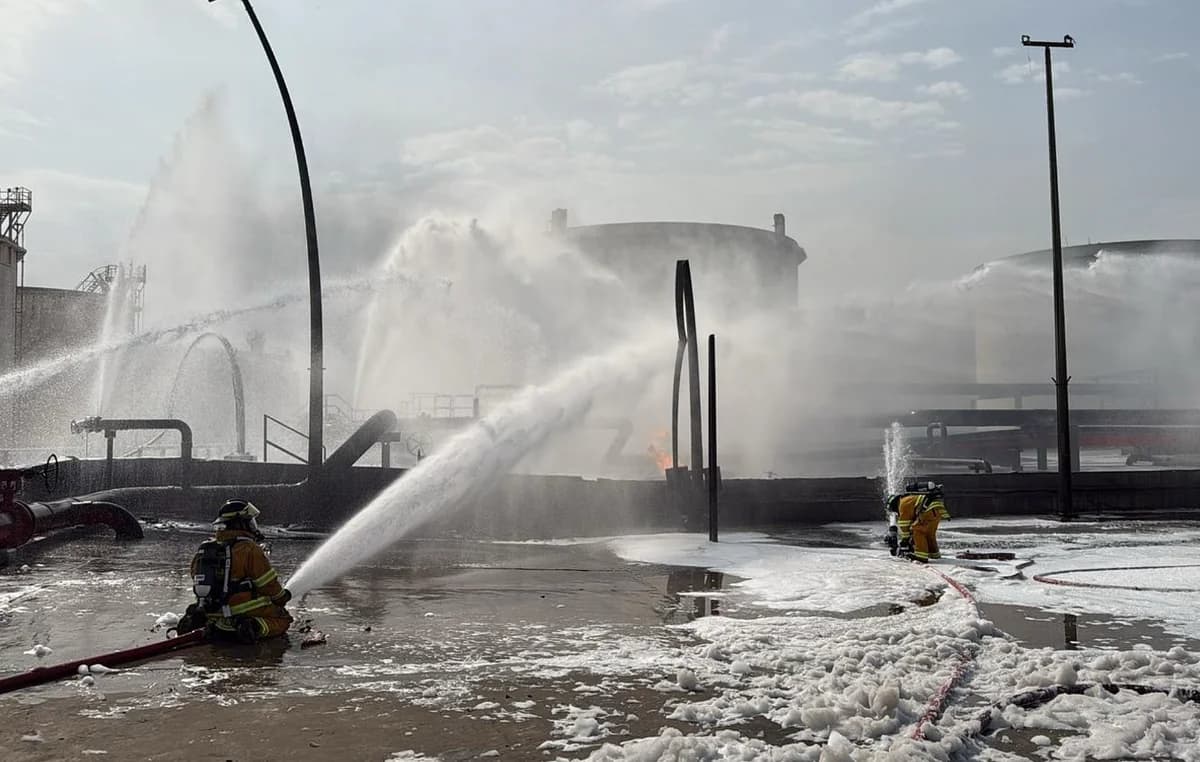
Attacks on desalination plants in the Middle East are increasing, endangering the water supply for millions of residents. According to ΚΥΠΕ, a recent Iranian drone attack hit a desalination plant in Bahrain, following a similar attack in Iran.
Esther Crauser-Delbourg, a water economist, warns that an attack on water could significantly escalate the crisis. In the Middle East, where water availability is much lower than the global average, desalination plants are vital.
Approximately 42% of the world's desalination infrastructure is located in the region, providing a significant percentage of drinking water in countries such as the United Arab Emirates, Kuwait, Oman, and Saudi Arabia. A 2010 CIA report highlighted the serious consequences of disrupting these facilities.
In addition to attacks, desalination plants face threats from power outages and seawater contamination. Veolia, which supplies desalinated water to areas in Oman and Saudi Arabia, has strengthened security measures. Some countries have deployed missile batteries to protect the plants.
Attacks on desalination plants have occurred in Yemen, Saudi Arabia, and Gaza. The effects may include mass exodus from cities and water rationing, impacting tourism, industry, and data centers. However, the interconnection of plants and water reserves can mitigate the consequences.