
Israel-Iran Ceasefire: Challenges and Success Factors
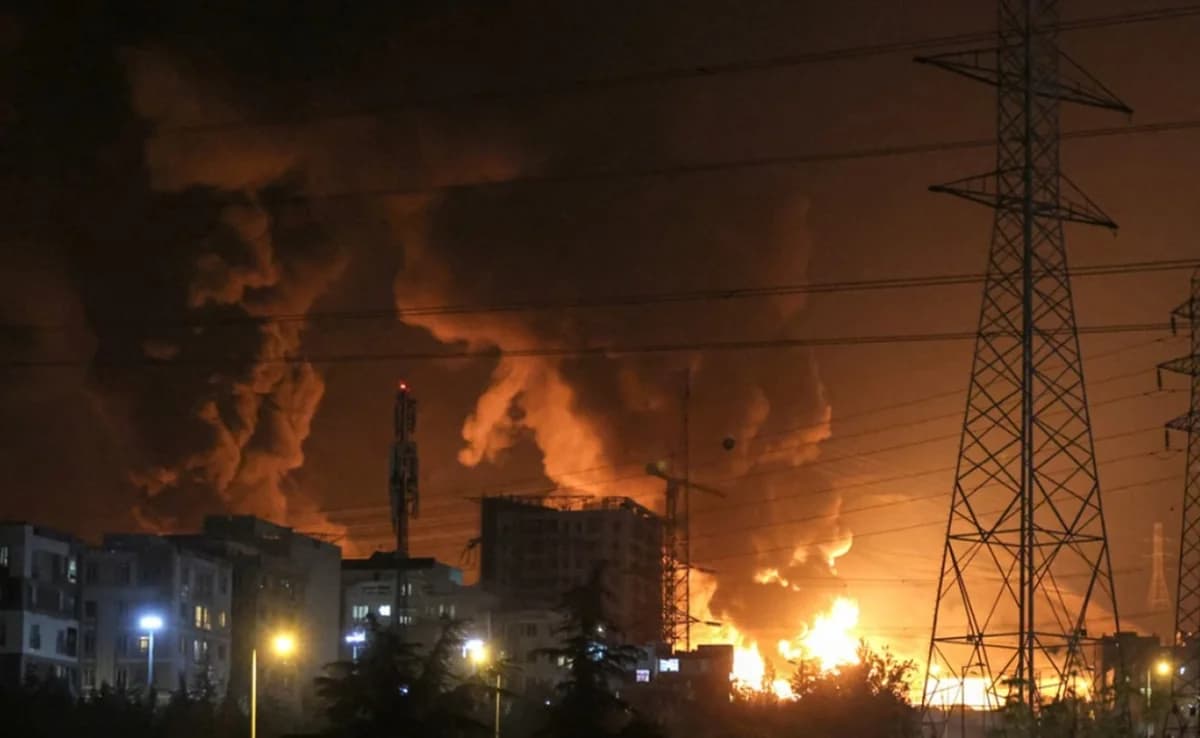
The recent ceasefire between Israel and Iran, initiated by Donald Trump, raises questions about its sustainability. Data from the Ceasefire Project indicates that ceasefires in the Middle East have a lower success rate compared to other regions.
Of the 360 ceasefires for which termination data exists, more than half have failed. Only one of the recorded ceasefires involved Iran, a 2017 agreement with Russia and Turkey to create safe zones in Syria, which is considered a failure.
Researchers note three common characteristics in successful ceasefires: the existence of a political process that addresses the root causes of violence, monitoring by external observers, and management of the 'window of vulnerability' in the early days of the ceasefire.
Whether the ceasefire will hold may also depend on internal changes in Iran and the stance of the Revolutionary Guards generals.