
China's Expansion in Europe: Impacts and Reactions
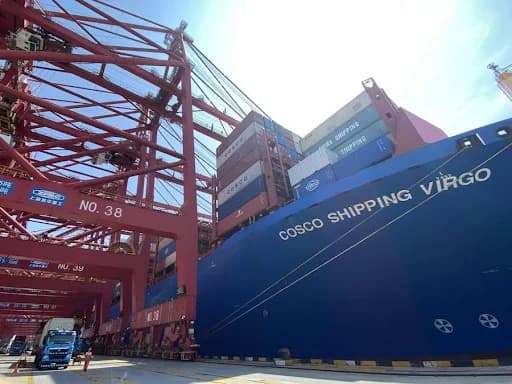
China's growing influence in global trade, combined with the rise of online shopping, creates new challenges for European businesses. China has gradually gained control of a significant number of ports and logistics, while the trade war between the US, China, and the EU has redirected exports.
According to recent data, 63% of purchases start online, while in Greece, online purchases account for an average of 10% of total purchases. In Cyprus, this percentage is lower, at 6-7%. At the same time, 37.9% of consumers buy after seeing advertisements on social media.
The European Union is considering imposing a €2 fee on small packages from Chinese platforms such as Temu, Shein, and Alibaba, worth less than €150. However, Chinese companies have already created warehouses within the EU to reduce delivery times and avoid fees.
Chinese companies, such as COSCO Shipping Ports and China Merchants Port Holdings, have gained control of European ports, which is considered a strategic projection of power. By August 2023, Chinese companies had an investment presence in 31 container terminals in Europe, including the ports of Piraeus, Valencia, and Hamburg.
Small European businesses face increasing competition from Chinese companies. To cope, they must focus on creating unique experiences, offering personalized services, and highlighting sustainability and ethical consumption.
The trade war between the US and China has demonstrated the interdependence of the two economies, but also China's ability to turn to other markets. In 2024, the trade balance between the two countries was $585 billion, with the US importing more than it exports.