
Evolution's Talent for Inventing Anteaters: Convergent Evolution
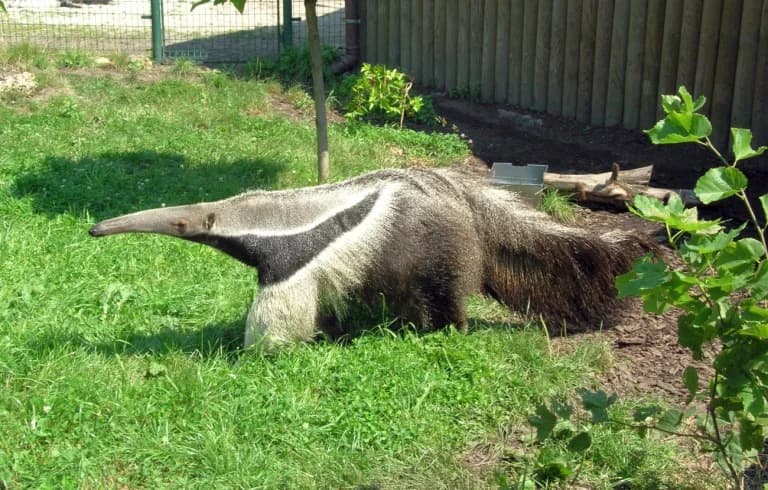
A new study reveals that evolution has led to the emergence of animals that feed exclusively on ants and termites at least 12 times in mammalian history.
From the giant anteater of South America to the pangolins of Asia and the aardvark of Africa, various species have independently developed this specialized diet.
The study, published in the journal Evolution, examined data on the dietary preferences of 4,100 species of mammals and found that myrmecophagy (ant and termite eating) occurred in all three major groups of mammals: placentals, marsupials, and monotremes.
These species share common anatomical adaptations, such as a small mouth, long tongue, atrophied teeth, and strong forelimbs for digging into insect colonies. This exemplifies convergent evolution, where different species acquire similar traits due to similar lifestyles.
Researchers emphasize that the vast populations of ants and termites worldwide have significantly influenced the evolution of other species. In the humid tropical forests of Central and South America, the biomass of ants and termites exceeds the total weight of all other insects, birds, mammals, and amphibians combined.
The evolution of anteaters began 66 million years ago, when ant and termite populations increased significantly, possibly due to the spread of angiosperm plants.