
Why Does This Summer Seem to Be Passing Faster?
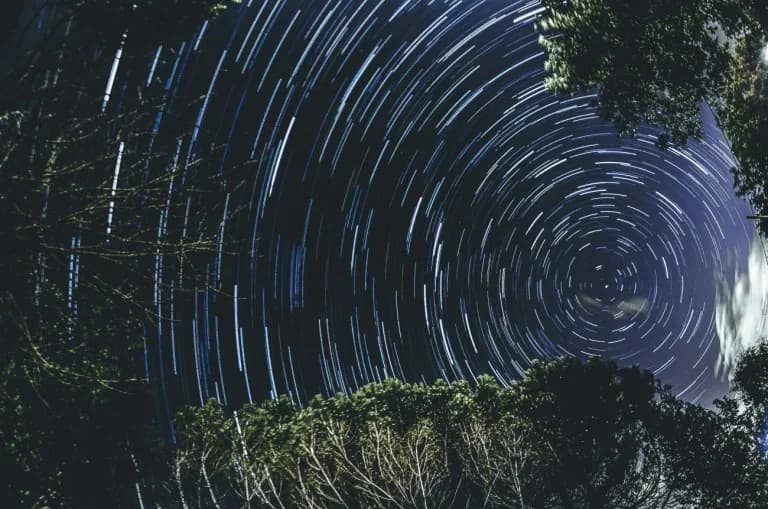
This year, the Earth is experiencing a period of shorter days as the planet's rotation accelerates. On July 9th and 10th, the days were 1.3 milliseconds shorter than usual.
Professor David Jewitt, an astronomer at UCLA, attributes the change to the distribution of the Earth's mass, such as the melting of glaciers and tectonic shifts.
Scientists warn that the increasing speed of the Earth's rotation could intensify hurricanes, raise sea levels, and cause flooding.
Astronomers use satellites to track deviations between atomic clocks and the Earth's rotation. July 19, 2020, was 1.47 milliseconds shorter than usual, while June 30, 2022, lost 1.59 milliseconds.
The Earth's interior can affect the planet's rotation. The melting of ice at the poles slows the rotation by shifting mass from the poles towards the center.
Trees can also affect the rotation. As leaves fall, the Earth's mass approaches the axis of rotation, increasing the rotation speed.
Millions of years ago, a day on Earth lasted about 19 hours. In 1972, 'leap seconds' were introduced. If the rotation continues to increase, a second may need to be removed from UTC, a 'negative leap second'.