
Perfumers Create Cells with Sense of Smell
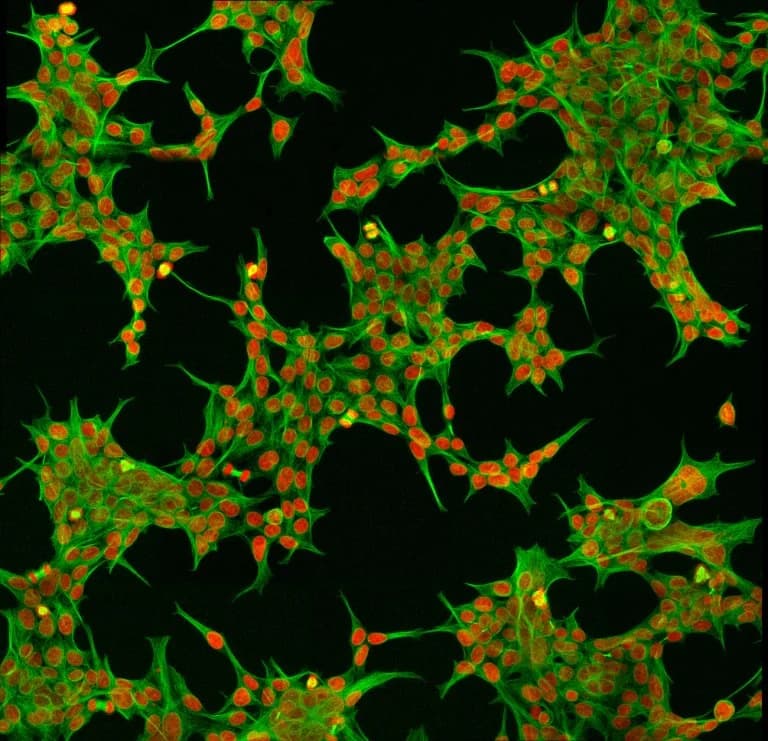
Researchers in Switzerland have succeeded in creating cells with the ability to 'smell' by expressing olfactory receptor genes in cell cultures. This discovery, published in Current Biology, facilitates the study of receptors and may complicate the prevailing theory of how smell works.
Researchers at Givaudan, a Swiss fragrance company, used human HEK 293 stem cells and found that adding a regulatory sequence allowed the receptor genes to function. The approach worked for many receptors, with initial results showing that some receptors are responsible for the scent of grapefruit, patchouli, wood, and ambergris.
An unexpected finding is that many of the odors tested activate only one receptor, which appears to contradict the 'combinatorial coding' theory of olfaction. The new method is expected to accelerate the study of olfaction and be of economic interest to fragrance companies.