
Sex Reversal in Birds: More Common Than Previously Thought
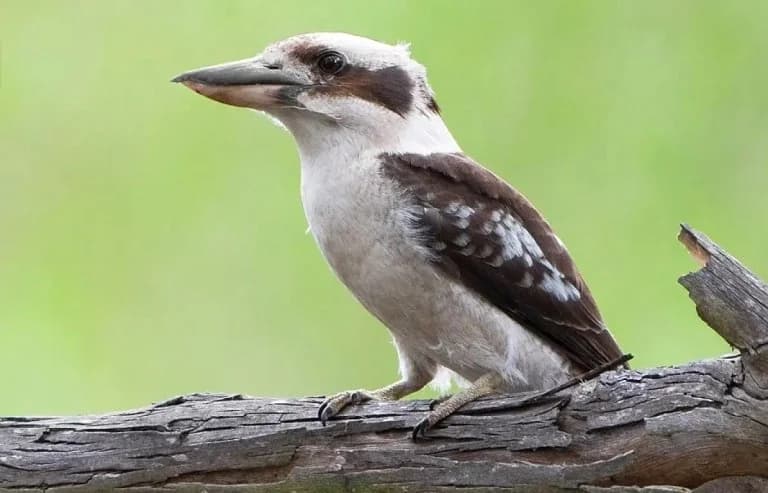
New research in Australia reveals that 'sex reversal,' where birds develop reproductive organs different from what their chromosomes dictate, is more common than previously believed. The study, published in Biology Letters, examined five common bird species in Australia.
Researchers found that a significant percentage of birds (3-6%) exhibit sex reversal. In most cases, the birds had female chromosomes but male reproductive organs. Cases with male chromosomes and ovaries were also identified.
Dominique Potvin of the University of Sunshine Coast, noted that external factors influence the development of sex characteristics in birds, such as incubation temperature in the Australian brushturkey (Alectura lathami).
The findings highlight the complexity of sex determination in birds and the need for careful genetic analysis, especially in species where the two sexes have similar appearances. The study paves the way for further research on the mechanisms leading to sex reversal.