
How to Treat Mosquito, Tick, and Flea Bites
As summer approaches, insect bites from mosquitoes, ticks, and fleas become more common. Understanding the differences between these bites and knowing how to treat them is important.
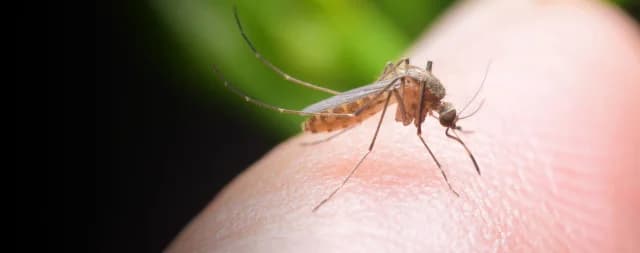
Mosquito bites appear as small, round, swollen bumps that cause itching and redness. Mosquitoes can transmit diseases such as West Nile virus and Zika virus. For prevention, it is recommended to use insect repellents with DEET, wear light-colored clothing with long sleeves, and eliminate standing water. Treatment includes cold compresses and antihistamine creams.
Ticks attach to the skin and can transmit Lyme disease. It is recommended to avoid tall grass and bushes, use clothing treated with permethrin, and check the body after outdoor activities. Ticks should be removed immediately with tweezers.
Flea bites appear as clusters of small red bumps, mainly on the ankles and legs. Fleas can transmit diseases and parasitic worms. Prevention includes using flea medication on pets, regularly cleaning their beds, and avoiding areas with fleas. For treatment, use soap and water, as well as anti-itch creams.
In case of infection, fever, chills, fatigue, or unusual rash, seek medical attention. Individuals with severe allergic reactions experiencing facial swelling or difficulty breathing need immediate care.