
Metabolism: Myths, Truths, and Scientific Explanations
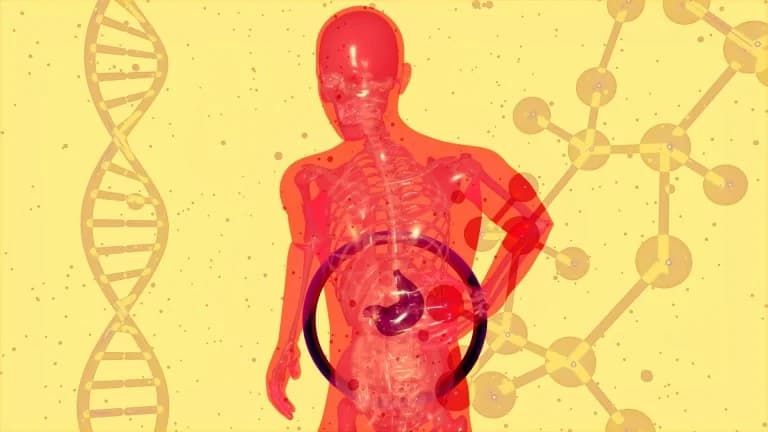
What is the real deal about metabolism? Science explains the myths and truths surrounding fast and slow metabolisms.
What is metabolism? It encompasses all the chemical processes that allow the body to function, such as breathing and blood circulation. When we refer to metabolism in relation to weight, we mean the metabolic rate, i.e., how quickly the body converts food into energy.
Key concepts:
- Basal Metabolic Rate (BMR): The energy the body uses at rest to stay alive (60-75% of daily consumption).
- Thermic Effect of Food (TEF): The energy used to digest food (10-15%).
- Non-Exercise Activity Thermogenesis (NEAT): The energy burned from daily movements (20-30%).
- Exercise Thermogenesis: The energy burned through exercise (10-50%).
Fast or Slow Metabolism? Hypermetabolism (burning >10% energy) is linked to conditions like hyperthyroidism and diabetes. Hypothyroidism slows down metabolism. In generally healthy people, metabolism remains within normal limits.
Factors Affecting Metabolism:
- Genetics: Plays a role in weight loss.
- Nutrition: The quantity of food is more important than meal frequency.
- Exercise: Daily activity and weight training increase metabolism.
- Sleep: Lack of sleep increases hunger hormones.
The myth of a 'slow metabolism' persists due to the simple explanation, diet culture, and the difficulty of measuring metabolism.
Source: Vita