
Cardiac Arrest: Key Symptoms and Treatment
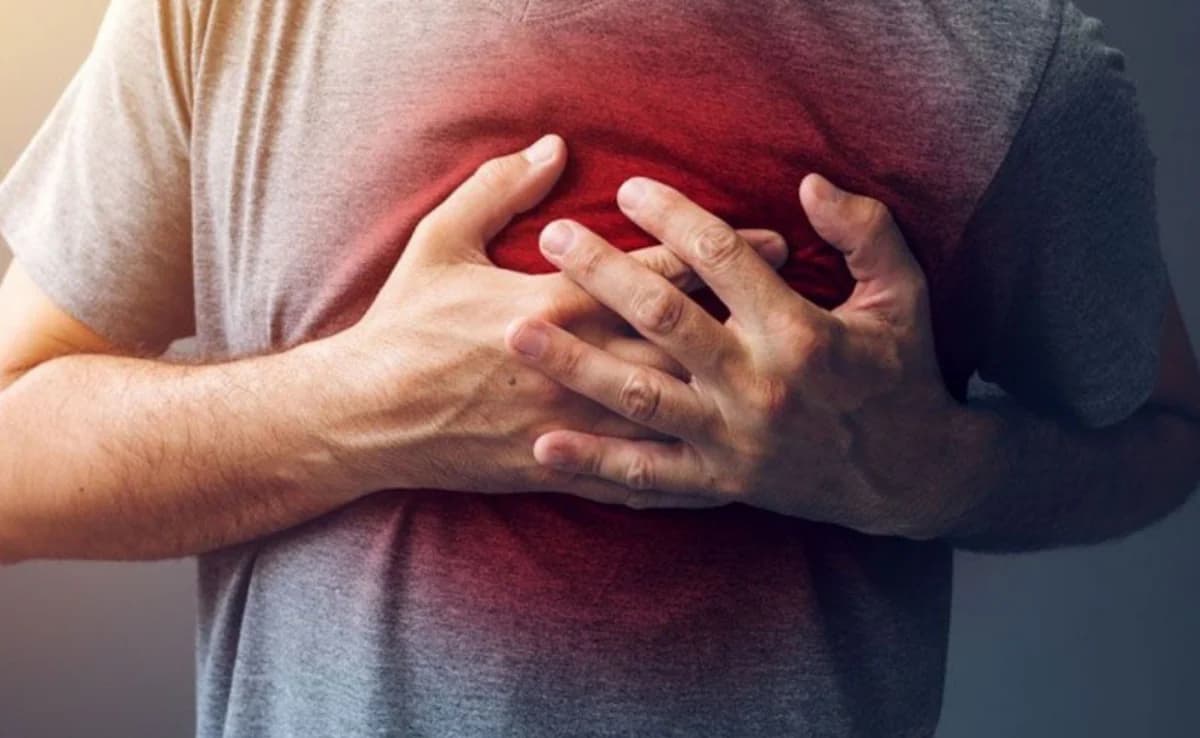
Cardiac arrest is the sudden cessation of heart function, leading to a halt in blood flow to the brain and organs. It is often caused by arrhythmias, such as ventricular fibrillation.
According to the World Health Organization, the incidence ranges from 1-5 cases per 1,000 people annually, with 70-90% occurring outside of hospitals. Vulnerable groups include individuals with a history of heart disease, smokers, diabetics, and people with hypertension.
In Greece, deaths from out-of-hospital cardiac arrest reach 80,000 annually. In Attica, there are 7-18 arrests daily, with 50-85% due to defibrillatable rhythms.
Immediate cardiopulmonary resuscitation (CPR) improves the chances of survival. Survival rates are approximately 10% for those experiencing arrest outside the hospital and 26% inside the hospital.
Symptoms include sudden collapse, loss of heart function, breathing, and consciousness. Previous research indicated that one in two had a warning symptom 24 hours before the event, such as chest pain (men) or shortness of breath (women).
If there is chest pain associated with shortness of breath, increased heart rate, dizziness, fainting tendencies, sweating, or nausea, seek immediate medical attention.