
Seafood Fraud: How Often Do We Eat Fake Fish?
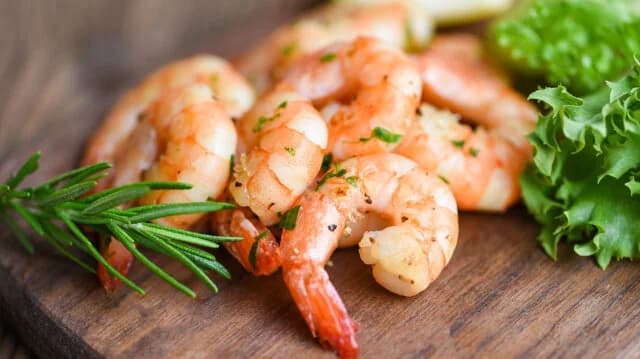
Nearly 1 in 5 seafood products consumed may be imitation, according to a new FAO report. This means the products are not what the label or menu claims.
Common fraudulent practices include selling imitation shrimp (surimi), adding coloring to tuna to make it appear fresher, misleading sustainability claims, and selling cheaper fish as more expensive varieties.
Empirical studies indicate that up to 20% of the seafood trade may be subject to some form of fraud.