
Purple Jellyfish Outbreak in Greek Seas: Problem Areas and Precautions
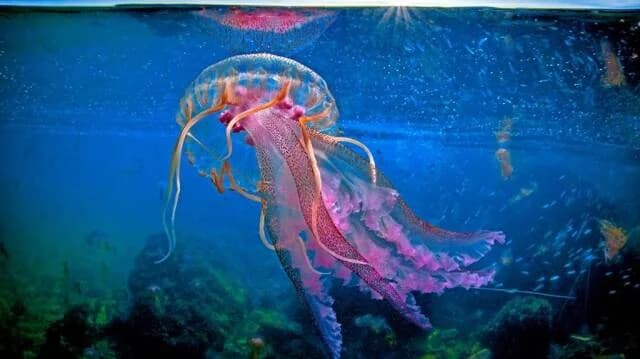
The Hellenic Biodiversity Observatory warns of an outbreak of purple jellyfish (Pelagia noctiluca) in Greek seas. North Evia, the Pagasetic Gulf, and the Northern Sporades (Skiathos, Skopelos) have been reported as problem areas.
According to the Observatory, the situation is similar to the outbreak of 2020-2023 in the Mediterranean, with Gibraltar facing the most serious situation. Similar incidents have been reported in Spain, France, Italy, and the Adriatic.
Pelagia noctiluca is a species of jellyfish that can cause a severe sting. The Observatory recommends caution to swimmers in the above areas. In case of a sting, it is recommended to carefully remove the tentacles, use sea water to rinse the area, and apply ice.
Symptoms of the sting include pain, redness, swelling, and burning. In rare cases, nausea, low blood pressure, tachycardia, headache, vomiting, diarrhea, and shortness of breath may occur. In case of severe symptoms, immediate transfer to a hospital is necessary.
The Hellenic Biodiversity Observatory encourages citizens to record jellyfish sightings on the iNaturalist platform.