
Increased Airplane Turbulence: Causes and Dangers
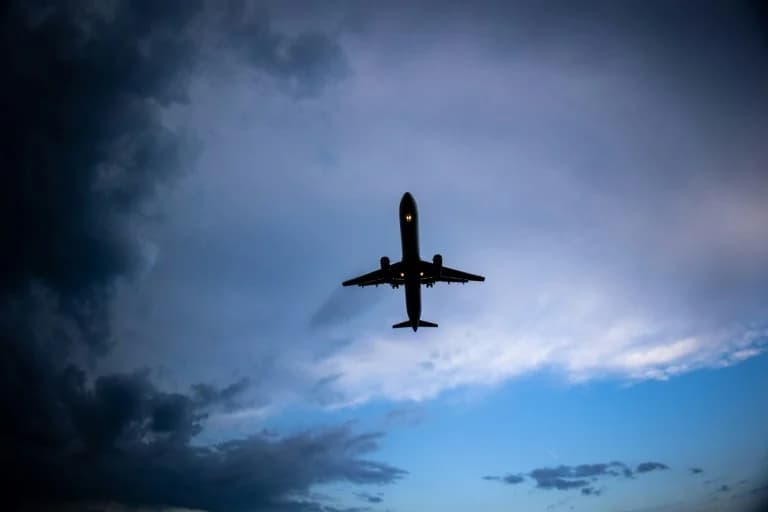
Airplane turbulence is increasing in frequency and intensity, causing concern among passengers. A BBC article explores the causes, effects, and technological solutions to address this phenomenon.
Turbulence is defined as abrupt aircraft movements in 'disturbed air'. Severe turbulence involves forces greater than 1.5 g. Statistics show approximately 5,000 severe turbulence incidents occur annually worldwide.
Climate change plays a significant role. Rising temperatures increase humidity, leading to stronger storms and unstable air currents. The impacts include passenger injuries and financial costs for airlines.
Technologies are being developed to reduce turbulence. Studies have examined alternative wing designs, mimicking owl flight. Artificial intelligence (FALCON) can also predict and neutralize turbulence, although these technologies are far from widespread use.
Wearing seatbelts remains the best protection. Some airlines delay cabin service to reduce injuries.
Scientists are working to make aircraft safer, but climate change is increasing the challenges.