
Clean Monday: History, Significance, and Customs
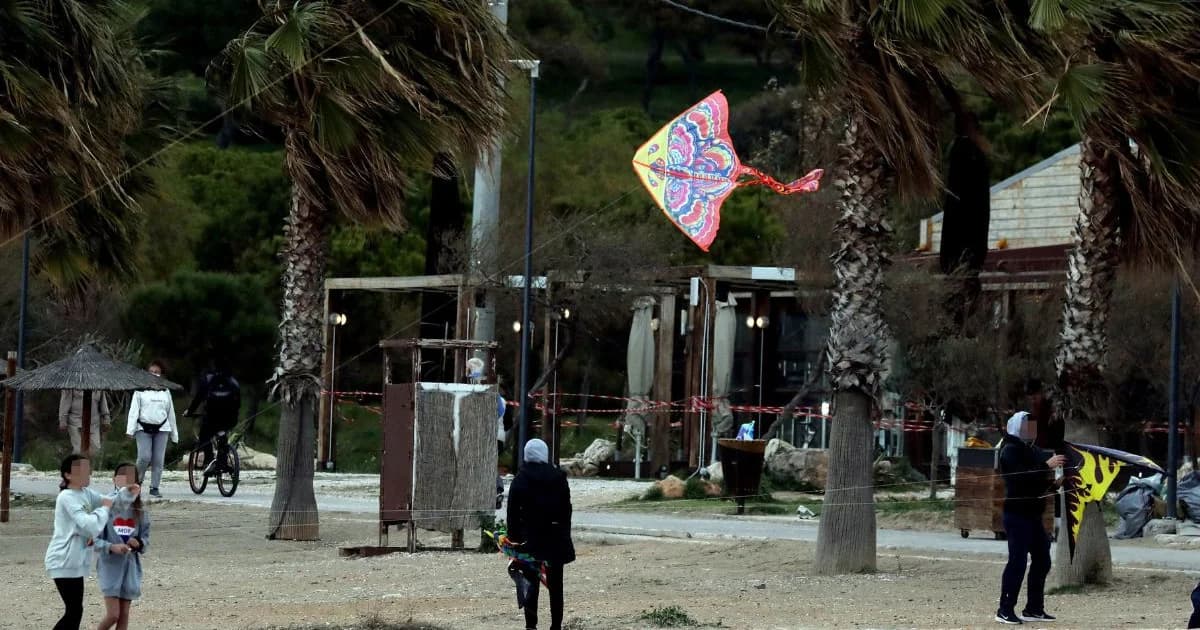
Clean Monday is a movable feast that marks the beginning of Great Lent in the Orthodox Church. It is celebrated 48 days before Orthodox Easter and marks the end of Carnival.
Its name comes from "purification," as believers seek to cleanse themselves physically and spiritually. It is a day of fasting, which lasts forty days, as were Christ's days of fasting in the desert.
What we celebrate: Clean Monday symbolizes a new spiritual beginning, reflection, and temperance. Believers are called to leave behind excesses and turn to inner renewal.
Customs throughout Greece: Clean Monday is celebrated throughout Greece with traditional dishes such as lagana, taramas, halva, and seafood. Kite flying symbolizes the ascent of the soul to heaven.
Local Customs:
- Chios: "Custom of Aga" in Mesta, Olympoi and Lithi.
- Alexandroupoli: Resident disguised as Bey.
- Poros: "Xartyma" of cooking utensils.
- Corfu: "Dance of the Priests".
- Karpathos: "People's Court of Immoral Acts".
- Galaxidi: Flour war.
- Methoni Messinias: Representation of "Koutroulis' wedding".
- Nedousa: Agricultural carnival.
- Vonitsa: Custom of Achyrenios-Gligorakis.
- Thebes: "Vlachikos wedding".
- Polysito Vistonidas: The "Moutzourides" smudge visitors.
Clean Monday remains a day of celebration, tradition and collective joy.