
Aristotle: How do we become good?
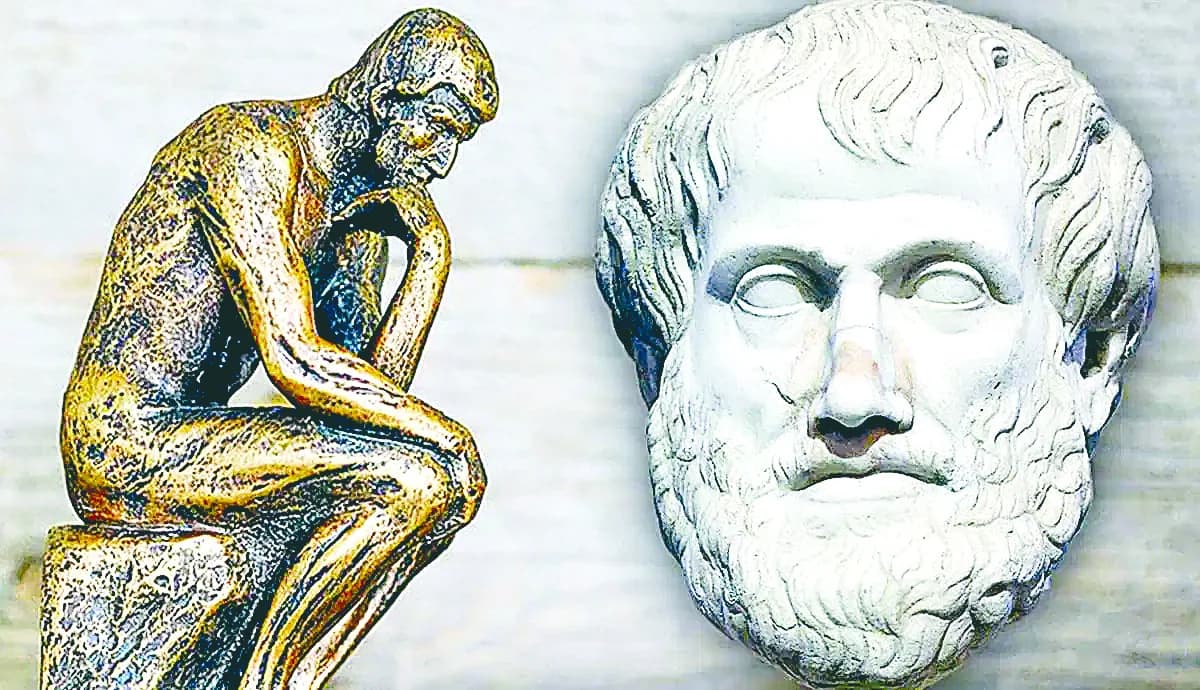
In the conclusion of Nicomachean Ethics, Aristotle examines how people can become good and achieve happiness. He wonders if theoretical knowledge is enough or if the practical exercise of virtue is needed.
Aristotle participates in the discussion on whether virtue is teachable, a discussion that began with Socrates and Protagoras. He observes that knowledge does not always lead to action and that most people obey fear and punishment more than logic.
The philosopher argues that teaching and habit are necessary for cultivating virtue. Education should aim to teach people to rejoice and grieve rightly from a young age. Laws can shape citizens through strict penalties, as moral education is the most important asset.
Dr. Elsa Nicolaidou, author of the books 'The Philosophy of Happiness' and 'Philosophy for All,' analyzes Aristotle's positions.